





댓글 0


기사입력 : 2026.02.07 13:08:07


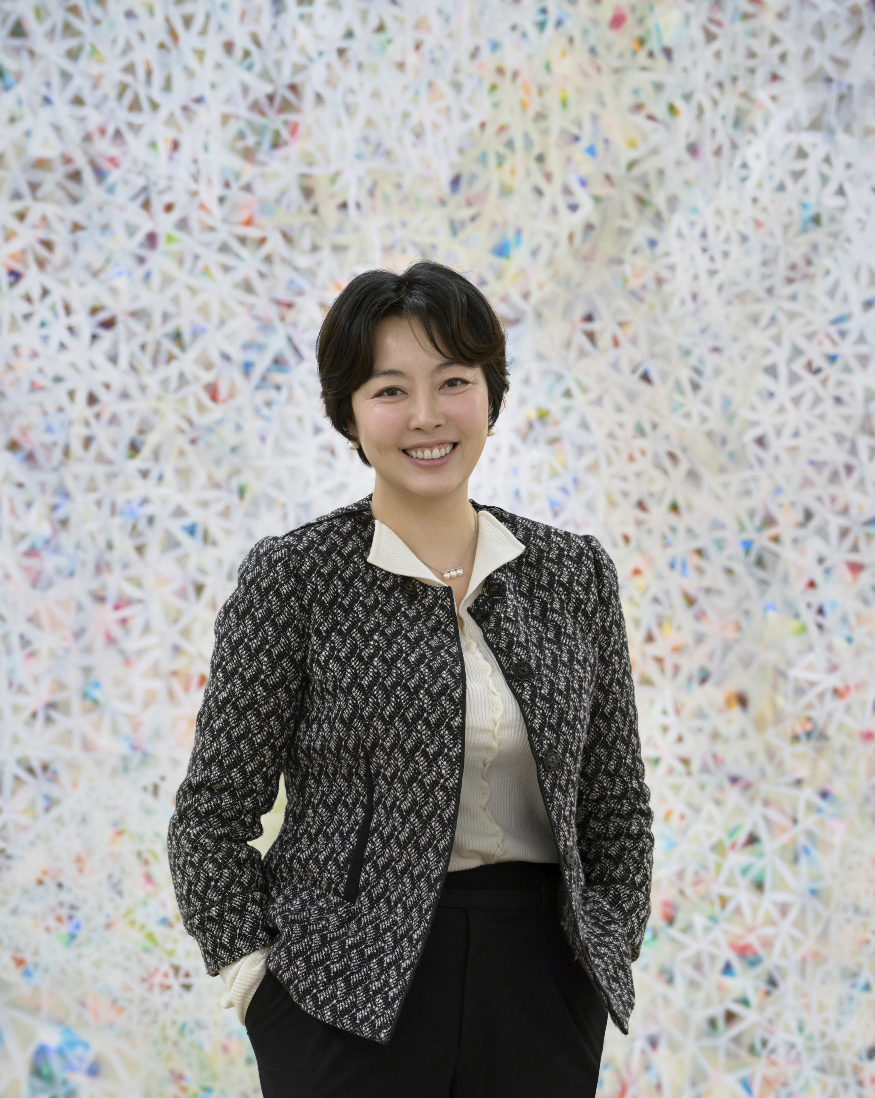
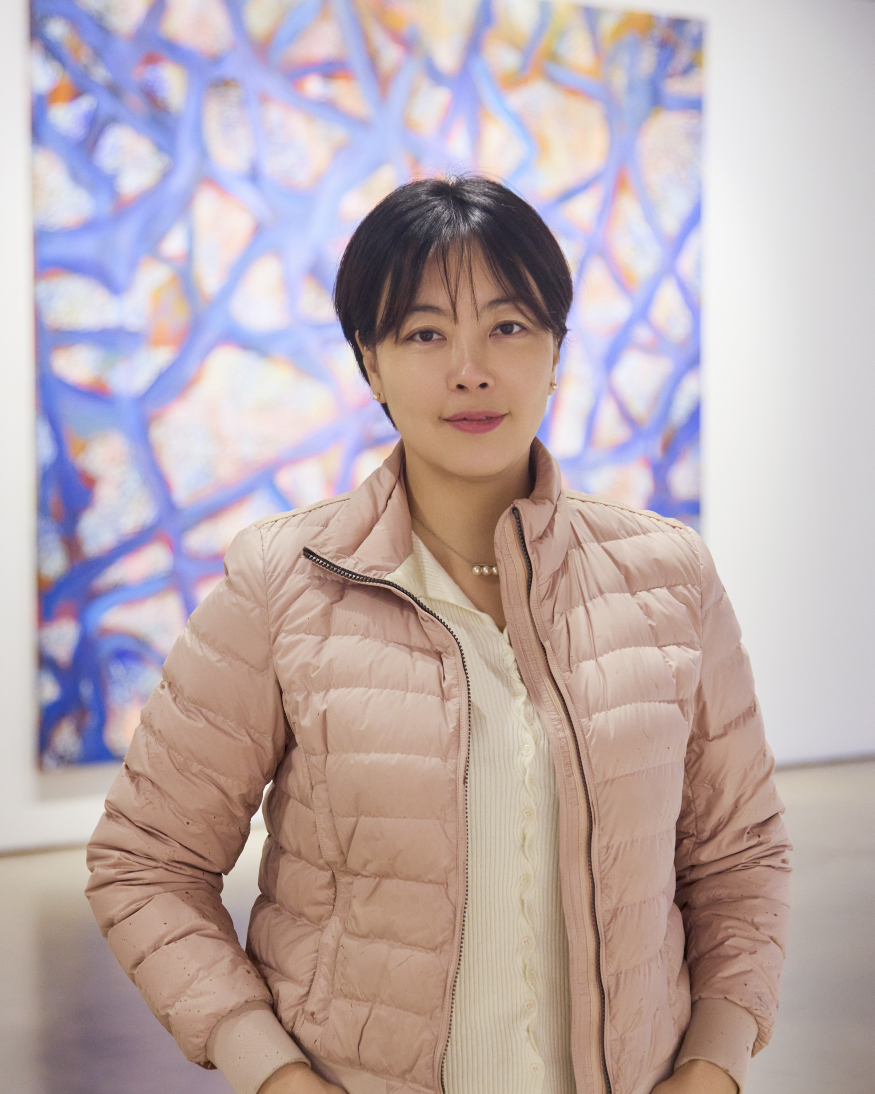
한국에서 별을 가장 많이, 잘 그리는 별명 이른바 별 작가가 성희승이다. '별 작가(STARYA)'라는 별칭으로도 이미 유명한 작가는 스스로 별을 그리는 이유를 "단순히 시각적 아름다움을 넘어 철학적 소통과 희망의 메시지를 전달하기 위해서"라고 밝히고 있다.
프랑스 퐁피두센터에서 개인전을 가졌던 빛의 화가 방혜자는 8살 때 우연히 개울가의 물위에서 빛이 반짝이는 모습을 보고 "저런 것도 그림을 그릴 수 있을까"라고 고민하면서 평생 빛을 그리는 운명적인 화가가 되었고 그 빛을 그리면서 행복을 이끌어내는 법을 터득 할 수 있었다.
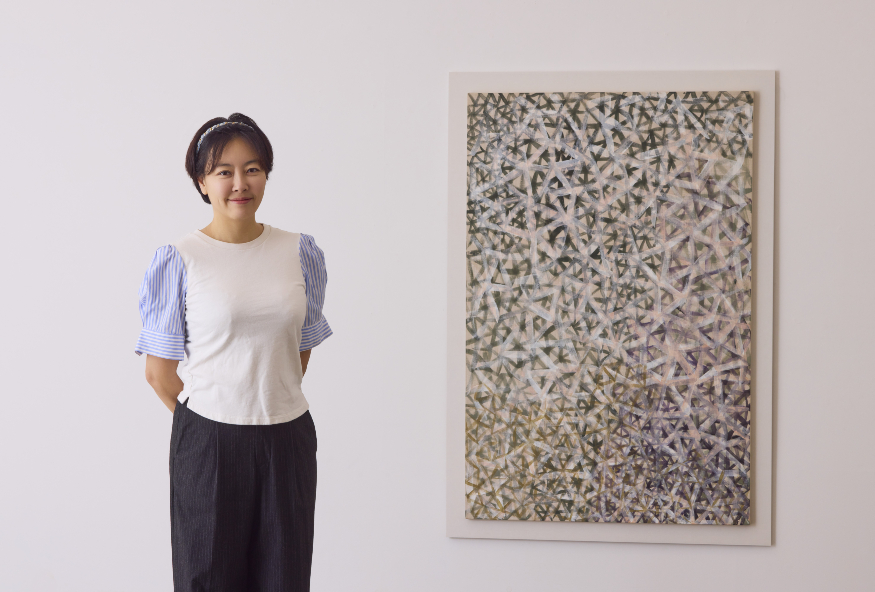
성희승 작가가 별을 그리게 된 동기와 행복에 도달하는 방법도 이와 크게 다르지 않다.
화가를 꿈꾸던 어린 시절, 높은 곳에서 반짝이는 별빛의 마음을 따라 빛나는 별이 말해주는 빛남의 이야기를 전해주면서 그녀도 행복한 화가가 되었다.
그리고 거기에는 생텍쥐페리의 『어린 왕자』가 있었고, 작품 세계의 핵심인 '별'의 의미를 정립하는 중요한 철학적 모티브도 있었다.
그녀는 "누구나 어린 시절 밤하늘을 보며 저 많은 별 중에 나의 별은 무엇일까 상상했던 것처럼 별은 언제나 내가 가고 싶은 이상적인 낙원의 상징"이라고 했다.
성희승 작가는 어린 왕자가 살던 소행성 B-612를 "한 존재가 끝까지 책임질 수 있는 최소한의 세계"로 보려고 했다.
광활한 우주의 세계가 아니라, 장미 한 송이를 돌보며 관계를 맺고 가꾸어나가는 '책임 있는 삶의 공간'으로서 별을 바라보고자 했다.
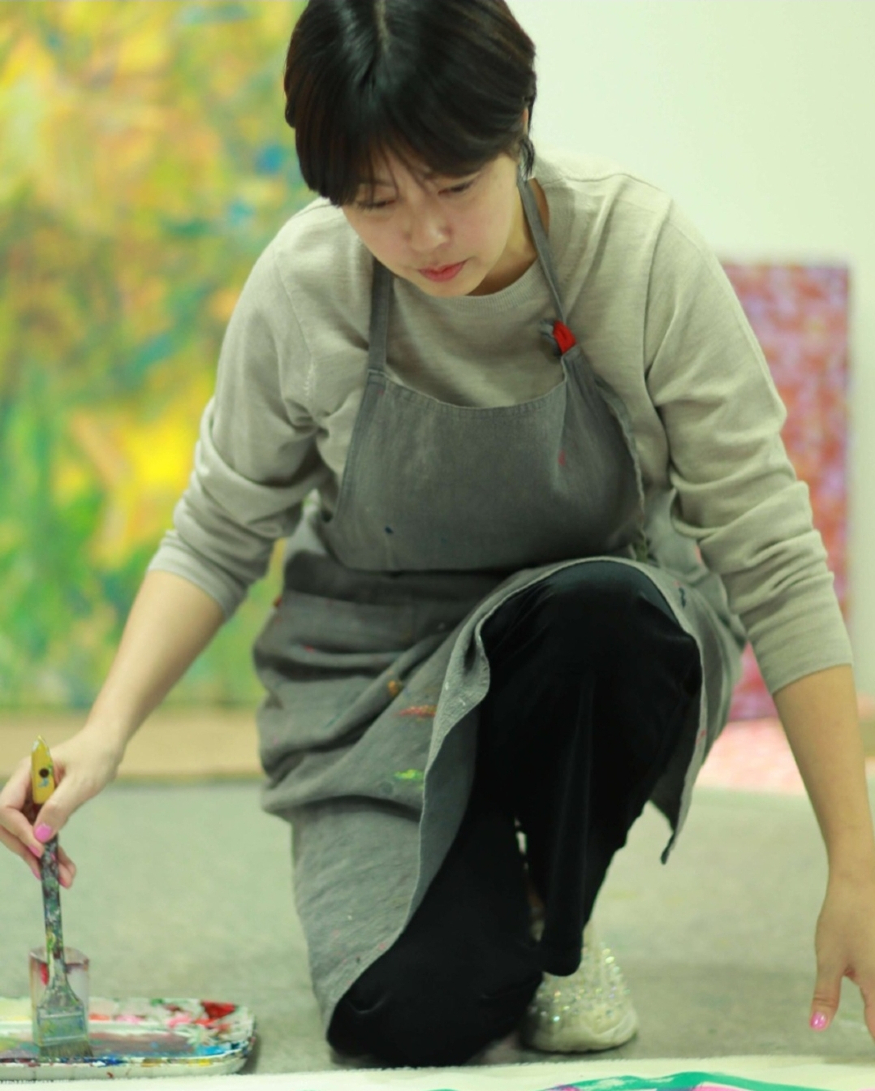
작가에게나 우리에게나 언제나 성희승의 별들은 희망과 위로의 상징이었다. 작가는 "별은 가장 어두울 때 오히려 빛나고 희망을 준다"고 털어 놓았다.
그녀는 별을 통해 대중에게 사랑과 위로의 메시지를 전하고 싶어한 것이다.
그것은 마치 "하늘에는 얼마나 많은 별이 있을까? 우주는 어떻게 시작되었을까? 이 모든 것은 어디에서 왔을까?" 바로 어린 시절부터 평생 에드윈 허블이 밤하늘의 별을 바라보며 품었던 호기심처럼 성희승의 무수한 별들은 우리를 궁금하게 만든다.
전시장의 첫 번째 마주치는 대작의 별 그림은 다른 그림에서처럼 숨은 별들이 아니라 거대한 별들의 음성처럼 명확하고 강렬하며 확신에 차있다.
이미 여기에서 성희승은 별의 이미지를 그리는 것이 아니라 사람과 사람 사이의 감정을 잇고 마음을 연결하는 소통의 매개체를 화폭에 담아내고 있음을 분명히 한다.
과감하고 힘찬 선들로 만들어진 엮어진 별들의 형상은 충분히 서로가 서로에게 별이 되는 세상을 꿈꾸며 소망한다.
그래서 그녀의 작품 속에 별들은 서로 엉키고 부대끼며 빛나거나 자유롭게 어울려진다.
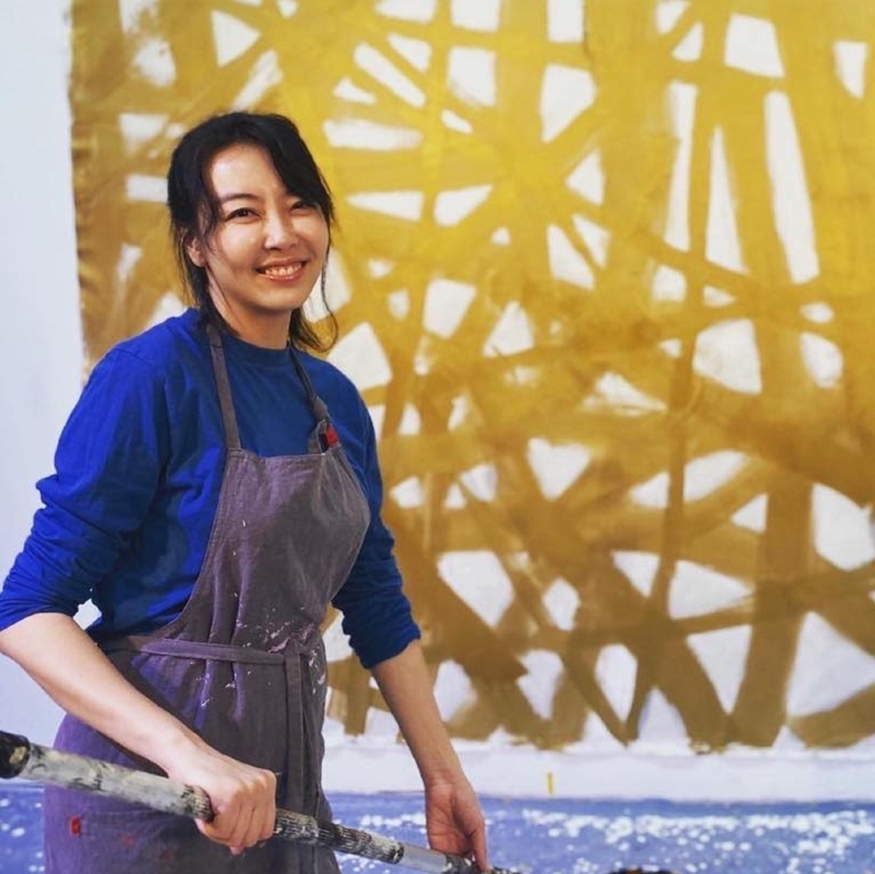
작가는 어린 왕자가 여행 중에 만난 가로등지기처럼 묵묵히 자신의 자리를 지키며 빛을 내는 존재들을 '별'로 형상화 한다고 간절하게 고백했다.
그러나 성희승 작가보다 먼저 별을 사랑하고 별을 그린 몇 명의 화가가 있었다.
첫 번째 화가가 빈센트 반 고흐이었다. 고흐는 동생 테오에게 보낸 편지에서 "밤은 낮보다 더 살아있고 풍부하게 채색되어 있다"고 말하며 빛나는 밤의 빛나는 색채인 별들을 찬양했다.
그러나 고흐가 밤하늘과 별에 매료되어 이를 그린 이유는 성희승의 심경과 목적이 크게 다르지 않다.
그에게 별은 현실의 고통에서 벗어나 도달하고 싶은 꿈과 희망의 상징이었다.
"별을 보는 것은 언제나 나를 꿈꾸게 한다"는 말처럼, 성희승은 밤하늘을 보며 무한한 우주와의 연결을 느끼며 점점 고흐가 되어가고 있었다. 그러나 그녀의 별들은 현실의 삶처럼 때로는 혼탁하고 서로를 침입하고 넘나드는 우리들 삶의 현실을 그대로 그려내는 초상화처럼 아름답지만 캔버스 화면에서 그다지 찬란하게 화려하게 빛나지만은 않는다.
"어쩌면 별에 가기 위해 죽음을 맞이한다"고 기록했던 고흐처럼 성희승 작가의 별은 빛나는 형태와 색채와 어울림으로 교차하며 사유적으로 떠오른다.
이처럼 성희승에게 별을 곧 세상을 살아가는 별이 빛나는 밤(The Starry Night)의 소용돌이치는 삶의 현장을 포옹하는 정신적 격동과 삶의 내면의 메시지와 스토리를 별들에게 투영한 생생한 날것의 목소리이자 노래이다.
'절규'로 유명한 뭉크도 별이 빛나는 밤하늘을 주제로 여러 점의 그림을 남겼다.
별이 빛나는 밤의 고흐의 그림처럼 노르웨이의 해변에서 느낀 고독과 우울을 몽환적인 밤하늘에 혼란스러움이 종종 빈번하게 묻어난다.
성희승은 제임스 애벗 맥닐 휘슬러 (James Abbott McNeill Whistler) 역시 밤의 풍경을 '녹턴(야상곡)'이라는 제목으로 검은색과 금색의 녹턴으로 떨어지는 불꽃을 담아냈다.
성희승 의 그림 속에도 그 밤하늘에 터지는 폭죽과 불꽃의 잔상을 마치 별처럼 흩뿌려진 사각의 별들로 화폭을 충만하게 에워싸고 있다. 뿐만 아니라 그녀의 수많은 색채와 별들로 뒤덮인 별들은 몽환적이며 드물게 신비로운 별들의 집합이 되어 시골길 위로 쏟아진다.
그러나 그 별들은 함께 부딪치며 추상적인 메시지에 공감하며 서정적으로 흔들리고 몰려다닌다.
우리가 그녀의 별에서 때로는 성스러움과 인간적인 삶의 현장을 보는듯한 목소리와 과정이 들여다보고 공감하는 이유이다.
우리는 그녀의 숨쉬는 화폭에서 발견한다. 그녀가 별을 그리는 행위가 그 자체로 하나의 기도이자 영적 구원을 향한 쉬지 않는 탐구라는 사실을, 그래서 그녀가 화폭에 쏟아놓는 별들은 진실한 그녀 삶의 이야기이자 울림이며 기도에 공감하게 된다.
그녀의 별이야기는 바로 우리 삶의 이야기인 동시에 우리들 내면을 위한 성찰의 음성이며, 화폭에 끊임없이 터뜨리는 별들의 축제인 것이다.
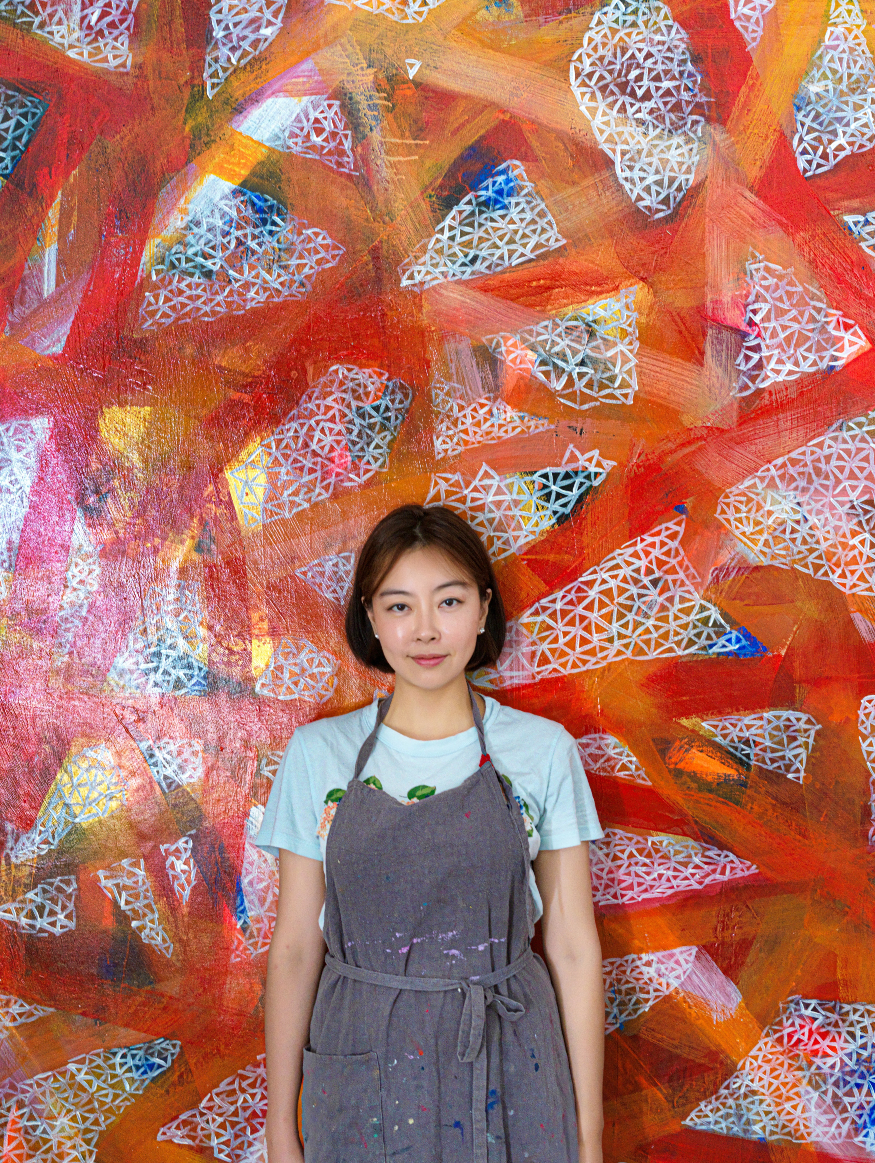
The Resonance of Star Paintings as Prayer in the Midst of Life — Hee Seung SUNG (Art Criticism by Kim Jong-geun, Part 1)
Among artists in Korea, Hee Seung SUNG is widely recognized as the one who paints stars most frequently—and most convincingly. Already well known by the epithet "the Star Artist (STARYA)", she has stated that her reason for painting stars is “to convey philosophical communication and messages of hope that go beyond mere visual beauty.”
Bang Hye-ja, the painter of light who held a solo exhibition at the Centre Pompidou in France, once recalled that at the age of eight she happened to see light shimmering on the surface of a stream and wondered, "Could something like that be painted?" From that moment, she became a painter destined to devote her life to light, and through painting light she came to learn how happiness itself might be drawn forth.
Hee Seung SUNG’s motivation for painting stars, and her way of arriving at happiness, is not fundamentally different from this.
As a child who dreamed of becoming a painter, she followed the quiet pull of starlight shimmering high above, listening to the story of radiance spoken by the shining stars themselves. By carrying forward that story of light, she too became a painter who learned how happiness could be sustained through painting.
At the center of this formative experience stood Antoine de Saint-Exupéry’s The Little Prince, which functioned as a decisive philosophical motif in shaping the meaning of the "star" at the core of her artistic world.
She has remarked, "Just as everyone once gazed at the night sky in childhood and wondered which of the countless stars might be their own, the star has always symbolized an ideal paradise one longs to reach."
Hee Seung SUNG sought to understand the asteroid B-612, home of the Little Prince, as "the smallest possible world for which a single being can take full responsibility." Rather than the vast expanse of the universe, she chose to regard the star as a space of responsible life—one in which relationships are formed and patiently cultivated through the care of a single rose.
For both the artist and for us, Hee Seung SUNG’s stars have always functioned as symbols of hope and consolation. She confides that "stars shine most brightly at the very moment when darkness is deepest, and it is then that they offer hope."
Through stars, she has sought to deliver messages of love and comfort to a broader public.
This impulse recalls the most fundamental questions—how many stars are there in the sky, how did the universe begin, and where did everything come from?—questions akin to the lifelong curiosity with which Edwin Hubble gazed at the night sky. In the same way, the countless stars that fill Hee Seung SUNG’s canvases awaken our sense of wonder and invite us into sustained contemplation.
The monumental star painting encountered first in the exhibition does not present hidden stars, as some of her other works do; rather, it asserts itself with clarity, intensity, and conviction, like the resonant voice of immense stars.
From this initial encounter, it becomes evident that Hee Seung SUNG is not merely depicting images of stars, but inscribing onto the canvas a medium of communication that connects emotions and links one heart to another.
The interwoven forms of stars, constructed through bold and vigorous lines, articulate a longing for a world in which each being can become a star for another.
Accordingly, in her paintings, stars entangle and collide as they shine, or freely converge and coexist in dynamic relation.
The artist earnestly confesses that she gives form to "stars" as beings who, like the lamplighter encountered by the Little Prince during his journey, quietly remain at their post, emitting light without spectacle.
Yet there were painters who loved stars and painted them before Hee Seung SUNG.
The first among them was Vincent van Gogh. In a letter to his brother Theo, Van Gogh wrote that "the night is more alive and more richly colored than the day", extolling the stars as the radiant colors that illuminate the nocturnal sky.
Yet the reason Van Gogh was drawn to the night sky and to stars is not fundamentally different from Hee Seung SUNG’s own state of mind and artistic purpose.
For him, stars were symbols of dreams and hopes he longed to reach in order to escape the suffering of reality.
As suggested by his words, "Looking at the stars always makes me dream", Hee Seung SUNG likewise gazes into the night sky and senses a connection to the infinite universe, gradually drawing closer to Van Gogh in spirit. Her stars, however, resemble lived reality itself: at times they are murky, intruding upon and crossing into one another, portraying the conditions of our lives almost like portraits. Though beautiful, they do not shine with excessive brilliance or decorative splendor on the surface of the canvas.
Like Vincent van Gogh, who once wrote, "Perhaps one must die in order to reach the stars", the stars in Hee Seung Sung’s work emerge contemplatively, intersecting through luminous forms, colors, and harmonies. They rise not as fixed images, but as sites of reflection where light, structure, and sensation cross and resonate.
In this sense, for Hee Seung SUNG, stars become a raw and living voice—a song through which she projects onto them the spiritual turbulence that embraces the swirling scenes of life, much like The Starry Night, and the inner messages and narratives of lived experience.
Edvard Munch, widely known for The Scream, also produced several paintings devoted to star-lit night skies.
As in Van Gogh’s nocturnal works, the loneliness and melancholy he experienced along the Norwegian coast often seep into his dreamlike night skies, where a sense of confusion and unease repeatedly surfaces.
Hee Seung SUNG also recalls James Abbott McNeill Whistler, who rendered nocturnal landscapes under the title Nocturnes, capturing falling sparks and fireworks in tones of black and gold.
In Hee Seung SUNG’s paintings as well, the afterimages of fireworks and bursts of light exploding across the night sky surround the canvas, scattered as square-shaped stars as if strewn through space. At the same time, the multitude of colors and stars that blanket her works coalesce into dreamlike and rarely mysterious constellations, cascading down as though poured over a quiet country road.
Yet these stars collide with one another, resonate with abstract messages, and move together in lyrical waves, gathering and dispersing in rhythm.
This is why, in her stars, we are able to discern and empathize with voices and processes that seem to reveal both a sense of the sacred and the tangible scenes of human life.
Within her breathing canvases, we come to discover that the act of painting stars is, in itself, a form of prayer—an unceasing inquiry directed toward spiritual redemption. Accordingly, the stars she pours onto the canvas become truthful narratives of her own life, resonant traces that invite us to attune ourselves to her prayer and to share in its quiet intensity.
Her stories of stars are, at once, the stories of our own lives and voices of reflection addressed to our inner selves—a continuous festival of stars endlessly erupting across the surface of the canvas.
<편집자주>
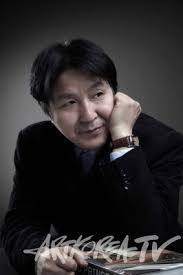
김종근
미술평론가. 현대미술의 미학과 사회적 맥락을 중심으로 한국 미술의 흐름을 분석해 왔다. 회화, 조형, 설치, 미디어 아트 등 동시대 미술 전반을 아우르며, 작가 개인의 작업 세계와 시대적 조건을 연결하는 비평으로 주목받고 있다.
주요 일간지와 문화 전문 매체에 미술 비평과 전시 리뷰를 꾸준히 기고하고 있으며, 국내외 주요 전시와 작가 연구를 통해 한국 현대미술 담론 형성에 기여해 왔다. 전시 기획 자문과 평론 활동을 병행하며, 미술의 공공성과 사회적 역할에 대한 발언도 지속하고 있다.

ⓒ 포커스온경제 & foeconomy.co.kr 무단전재-재배포금지

전체댓글 0
